Understanding Scalp Health for Textured Hair
- trichonaturals
- Apr 10
- 4 min read
Maintaining a healthy scalp is crucial for everyone, but it becomes even more significant when caring for textured hair. Textured hair, which includes curly, coily, and wavy types, has unique needs that can affect scalp health. In this post, we will explore the importance of scalp health, common issues faced by those with textured hair, and practical tips to ensure your scalp remains healthy and nourished.
The Importance of Scalp Health
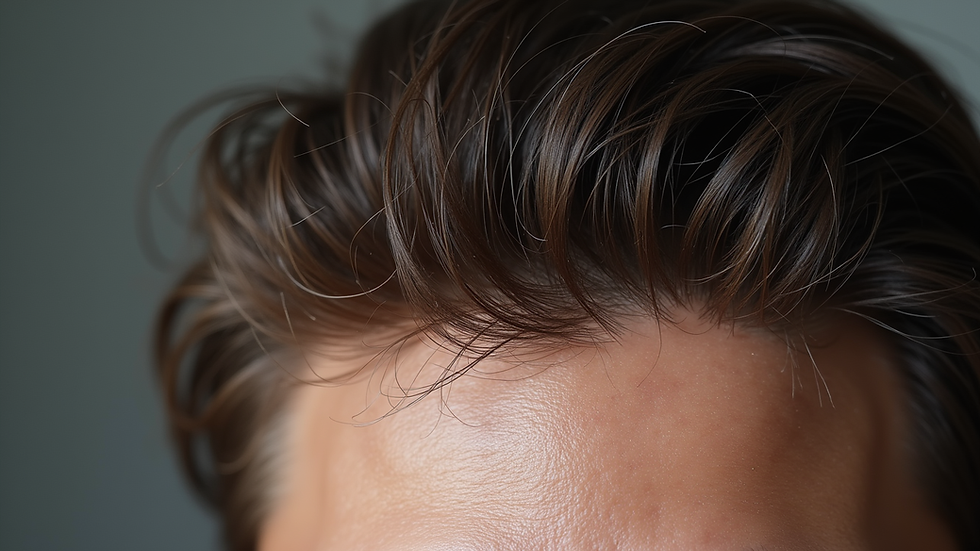
A healthy scalp is the foundation for healthy hair. Just like the skin on your body, the scalp requires proper care and attention. Here are a few reasons why scalp health is essential:
Hair Growth: A well-nourished scalp promotes hair growth. When the scalp is healthy, hair follicles can thrive, leading to stronger and thicker hair.
Prevention of Hair Loss: Scalp issues such as dandruff, inflammation, or infections can lead to hair loss. By maintaining scalp health, you can reduce the risk of these problems.
Balanced Oil Production: The scalp produces natural oils that keep hair moisturized. A healthy scalp maintains a balance of oil production, preventing dryness or excessive oiliness.
Common Scalp Issues for Textured Hair
Textured hair can be prone to specific scalp issues. Understanding these problems can help you take proactive measures to address them.
Dandruff
Dandruff is a common scalp condition characterized by flaking and itching. It can be caused by dry skin, sensitivity to hair products, or fungal infections. For those with textured hair, dandruff can be particularly frustrating, as it may be more visible against the hair's texture.
Scalp Dryness
Dry scalp can lead to itching and discomfort. Textured hair often requires more moisture, and if the scalp is neglected, it can become dry and flaky. This can create a cycle of irritation and further dryness.
Folliculitis
Folliculitis is the inflammation of hair follicles, often caused by bacteria or fungi. It can lead to red bumps and discomfort on the scalp. Textured hair can be more susceptible to this condition due to the way it grows and the potential for product buildup.
Scalp Psoriasis
Scalp psoriasis is a chronic condition that can cause red, scaly patches on the scalp. It can be itchy and uncomfortable, and while it can affect anyone, it may be more challenging to manage with textured hair.
Tips for Maintaining Scalp Health
Now that we understand the importance of scalp health and common issues faced by those with textured hair, let's explore some practical tips to keep your scalp healthy.
Regular Cleansing
Cleansing your scalp regularly is essential to remove dirt, oil, and product buildup. Here are some tips for effective cleansing:
Choose the Right Shampoo: Look for sulfate-free shampoos that are gentle on the scalp. These shampoos cleanse without stripping natural oils.
Frequency: Depending on your hair type and lifestyle, aim to wash your hair every 1-2 weeks. If you use a lot of products, you may need to wash more frequently.
Massage: When shampooing, take the time to massage your scalp gently. This stimulates blood circulation and promotes a healthy scalp.
Moisturizing
Keeping your scalp moisturized is crucial for preventing dryness and irritation. Here are some ways to hydrate your scalp:
Use Oils: Natural oils like jojoba, coconut, or argan oil can be applied to the scalp to provide moisture. They also help to soothe irritation.
Leave-In Conditioners: Consider using a leave-in conditioner specifically formulated for textured hair. This can help maintain moisture levels in your scalp and hair.
Hydrating Masks: Incorporate hydrating masks into your routine. Look for masks that contain ingredients like aloe vera or shea butter, which are excellent for moisture retention.
Exfoliation
Exfoliating your scalp can help remove dead skin cells and product buildup. This is especially important for textured hair, which can trap products more easily. Here’s how to exfoliate effectively:
Scalp Scrubs: Use a gentle scalp scrub once a month to exfoliate. Look for scrubs with natural ingredients like sugar or salt.
DIY Exfoliation: You can create a simple exfoliating treatment at home using sugar mixed with your favorite oil. Apply it to your scalp and massage gently before rinsing.
Protecting Your Scalp
Protecting your scalp from environmental factors and harsh products is essential for maintaining its health. Here are some protective measures:
Limit Heat Styling: Excessive heat can damage both your hair and scalp. Try to limit the use of heat styling tools and always use a heat protectant when you do.
Avoid Harsh Chemicals: Be cautious with hair products that contain sulfates, parabens, or alcohol, as these can irritate the scalp. Opt for natural or organic products whenever possible.
Sun Protection: Just like your skin, your scalp can be affected by sun exposure. If you're spending time outdoors, consider wearing a hat or using a scalp sunscreen.
Seeking Professional Help
If you experience persistent scalp issues, it’s essential to consult a dermatologist or a trichologist. They can provide personalized advice and treatment options tailored to your specific needs.
Conclusion
Understanding and maintaining scalp health is vital for anyone with textured hair. By implementing regular cleansing, moisturizing, exfoliating, and protective measures, you can ensure your scalp remains healthy and your hair thrives. Remember, a healthy scalp is the foundation for beautiful hair. Take the time to care for your scalp, and you will reap the benefits in the long run.
As you embark on your journey to better scalp health, consider keeping a journal to track what works best for you. This can help you identify patterns and make informed decisions about your hair care routine. Embrace the unique beauty of your textured hair, and prioritize your scalp health for a vibrant and flourishing mane.

Comments